
hey, i'm slavik
NMLS# 2054568
Assets should buy your lifestyle. Most people do it backwards. Real estate is how I flipped that, and leverage is how you can too. I run a specialized mortgage team at First Rate Financial in Anchorage, Alaska.
4.9 on Google from 306 reviews First Rate Financial

what people say
"Slavik is the most competent and cool mortgage expert in town. I have purchased both my primary and my investment property thanks to Slavik's guidance with my VA loan. He made sure I maximized my VA benefit and his team walked me through the purchase process in the most professional and low stress way."
Jen T. · Google review
"Slavik is the GOAT and has been my go to lender for years. I use him for all my personal loans and recommend my clients to him. He has built a business on service, education and innovation…"
Keenan F. · Realtor · Google review
"Slavik is the best! I have gone through two deals with him and my real estate agent and the deals he got me were incredible… I've also learned so much, he's a great mentor and has continued to answer my questions when I reach out now and then."
Brendan M. · Google review
"…Slavik, in particular, excels at educating his clients and offers valuable tips not only on the lending process but also on how to be a successful homeowner, save money, and succeed in various business endeavors. On a personal note, I also purchased a home through them, and Slavik was my coach throughout the process. He began advising me a full year before I went under contract…"
Ian L. · Realtor · Google review
When should you start the process?
apply nowGetting pre-approved early gives you the opportunity to plan, and planning is key. It allows you to work with me to come up with both a monthly budget and a budget for a down-payment that fits your short & long term goals.
Even the well-qualified can benefit from some advance planning and structuring. The worst thing to do is to rush the pre-approval process. There are lots of things in life you can get away with leaving to the last minute, your home financing and planning shouldn't be one of them.
Planning to Use a VA Loan? The JBER VA Loan Guide

meet slavik.
I'm a mortgage broker, real estate investor, and educator based in Anchorage. My work is centered around a simple idea most people overlook until it's too late:
The way you structure your life financially will either give you options or quietly take them away.
I bought my first fourplex at 20 and built from there. That experience changed how I see real estate. A property is not just a place to live. It's a decision point. It can either anchor you to higher expenses and less flexibility, or it can lower your cost of living, produce income, and buy back your time.
Most people follow the default path, make isolated decisions, and hope it works out. I help you zoom out and see the full picture and think in terms of leverage, sequencing, and long term alignment so each move builds on the last.
Outside of lending, I create content around passive income, real estate, and becoming the main character of your life. If you understand the game, you can play it on purpose. At home, I'm a husband and a father of three young boys (third is due December 2026). With kids I've recently learned that time matters more, decisions compound further and the margin for drifting gets smaller. These concepts shape everything I build.

guides

JBER VA loan guide
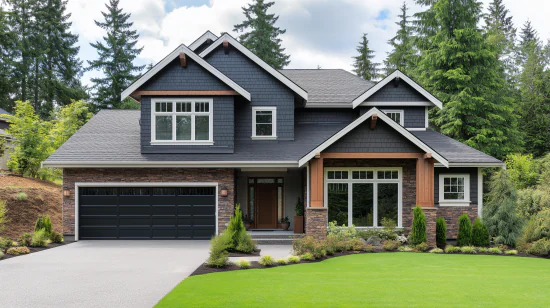
VA eligibility, the fourplex strategy and PCS planning for military families at Joint Base Elmendorf-Richardson.

VA loan questions in Anchorage
Zero down, multi-unit VA loans, reusing your benefit and refinancing, answered for Alaska veterans.

First-time homebuyer Q&A
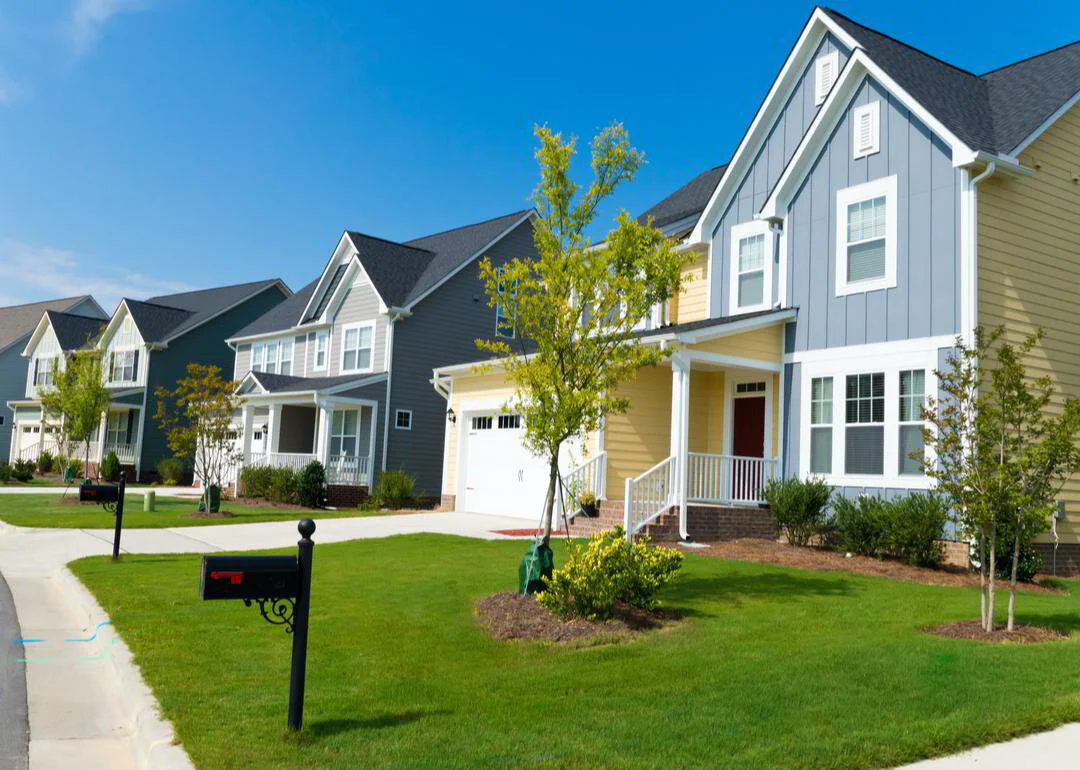
Down payments, credit, AHFC programs, PMI and closing costs for first-time buyers in Alaska.
Real estate investing Q&A
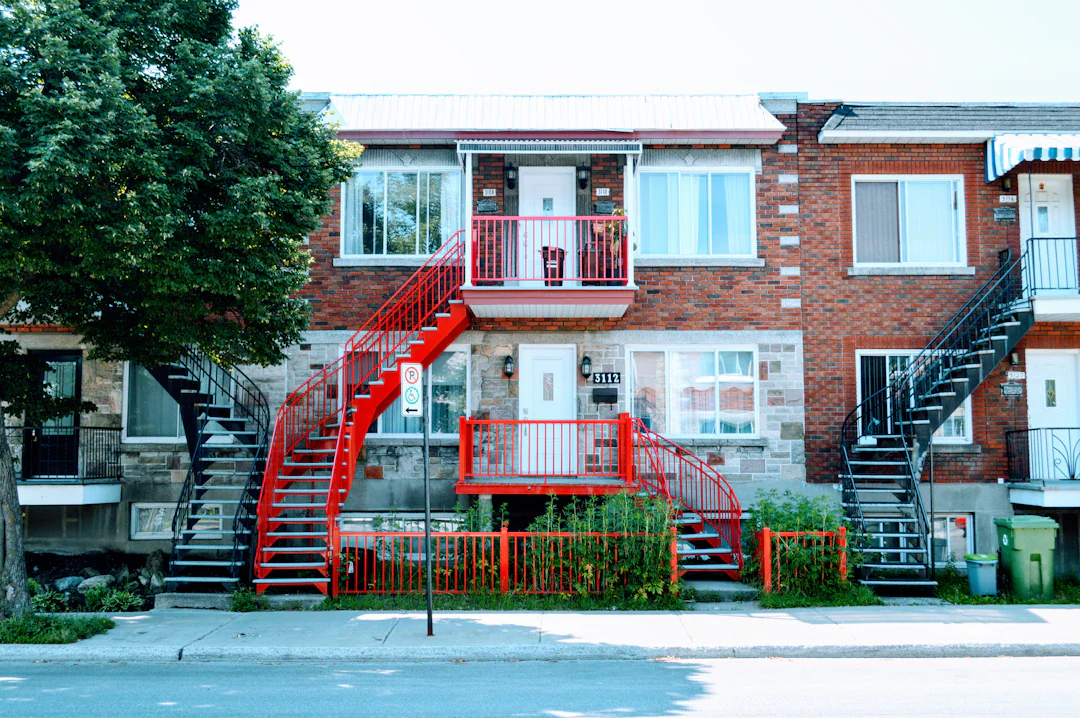
House hacking, fourplex financing and building a rental portfolio in Anchorage.

Anchorage mortgage Q&A
FHA, VA, conventional and AHFC loans, closing costs, rate locks and pre-approval.
The questions people ask me most
Straight answers to the questions that come up on my client calls, from down payments to HELOCs.
see if you’re in a good position to buy a home
3-minute quiz
No credit pull Takes 3 minutes
"I have purchased both my primary and my investment property thanks to Slavik's guidance with my VA loan... his team walked me through the purchase process in the most professional and low stress way."
stay ahead of the curve
join my vip refi list
be the first to know when rates drop
live questions from real people
The things my clients actually ask me, answered straight.
Book a callcall or text 907-917-5259 text me
How much money do I need to buy a house?
If you're going to live in it, plan on about 5% of the price as a safe starting number. That works for a single-family home or a duplex. Best case on a house hack is 3.5% down plus about 2% for closing costs, so 3.5% to 5.5% all in. If you won't live there, it's a different game: usually 15% to 25% down, depending on the property and program.
How fast can I get pre-approved, and what does it take?
The application takes 5 to 10 minutes. Ballpark numbers are fine, we verify everything after. Once your documents are in (pay stubs, W-2s, bank statements), pre-approval can happen the same day, sometimes in a couple of hours.
Can I buy a duplex, triplex, or fourplex and live in one unit?
Yes. That's house hacking. You live in one unit and get the low down payment of a home you live in, usually 3% to 5%. The rent from the other units counts as income, so it helps you qualify. Sometimes people who can't qualify for a house can qualify for a fourplex. One thing to know on FHA: with 3 or 4 units, 75% of the rents has to cover the full mortgage payment, and that test can make a triplex or fourplex harder to qualify for than a duplex. The rule is you have to actually live there for a year. That's the trade for the low down payment. After that, you can rent your unit out and move to the next one.
FHA or conventional: which loan should I use?
I pre-approve you for a price, not a program. The best loan depends on the property and your cash. FHA is 3.5% down, more open to lower credit scores, and often has the lowest monthly payment, even for people with great credit. Conventional is usually around 5% down, and its mortgage insurance comes off once you reach 20% equity. FHA mortgage insurance runs on its own schedule, and I'll show you exactly how it plays out for you. My question for you: what matters more right now, the lowest payment or the least cash out of pocket?
What credit score do I need to buy a house?
FHA is the program most open to lower scores. If your score is on the lower side, we have options, and I'll show you the path that works. Exact minimums depend on the loan program. A score in the 700s is usually good enough. Free credit apps aren't exact, but they're close enough to tell you if you're in range. Before you pay a card down to zero, we can run a credit simulation on your real report to see which payoff helps your score the most.
I'm self-employed, or my pay changes. Can I get a mortgage?
Yes, but lenders count what you showed the IRS, not what hits your bank account. The more you write off, the less you can buy. Plan on two years of tax returns for business, side gig, or Airbnb income, and anything seasonal needs a two-year history. For hourly, overtime, or shift pay, you sign a form so we can get the full breakdown straight from your employer and count every dollar we can. If you haven't filed your taxes yet, let me look before you file. Talk to your CPA too, this isn't tax advice.
Is the lowest rate the best deal? Should I get a second opinion?
The rate is only half the question. The other half is what that rate costs you. A low rate can mean you're paying points without knowing it. As a broker I don't have my own rates, I shop lenders for you. Send me your Loan Estimate and I'll tell you if you're in a good spot or if there's money left on the table. If you're happy where you are, I'll tell you to stay. Sometimes I'm just your cheerleader.
How much are closing costs, and can the seller pay them?
Budget about 2% of the price for closing costs. That's on the high side on purpose, so you're safe. A big chunk of it is escrow, your upfront share of insurance and property taxes. The down payment is a separate thing. The seller can cover costs with a seller credit. How much depends on your loan type and your down payment, and we'll tell you your exact cap. Always ask for seller credit, not "points," so you decide how to use it. Credit used to buy down your rate often does more for you than the same money taken off the price.